Ernst Gombrich understands the history of art not as a catalogue of styles and names, but as a narrative of humanity’s continuous effort to see and represent the world. In his view, art is not born from sudden genius or fixed rules, but from experience, error, correction, and an ongoing dialogue between the artist, tradition, and reality.
Gombrich famously argues that “art” itself does not exist; what exists are artists—individuals working within specific historical, cultural, and social conditions. From this perspective, the history of art is not a linear story of progress, but a record of changing ways of seeing.
This approach shifts our attention away from absolute judgments of beauty and toward a deeper understanding of the relationship between artworks, their time, and the minds that created them. For architects, designers, and anyone engaged with space, form, and meaning, Gombrich’s perspective offers a valuable reminder: to design is first to learn how to see.
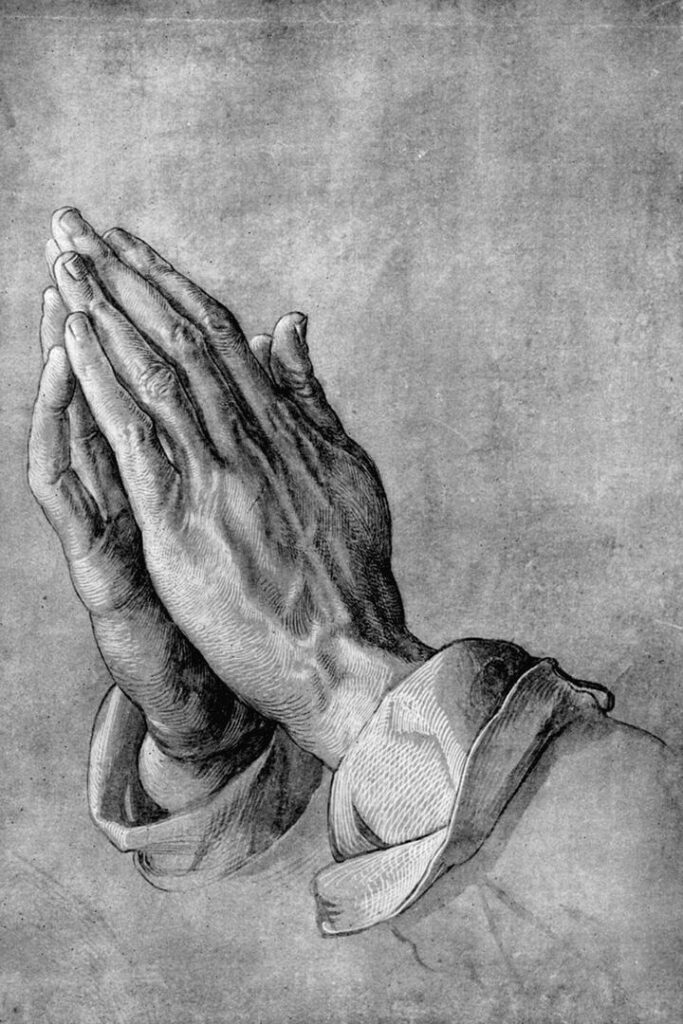
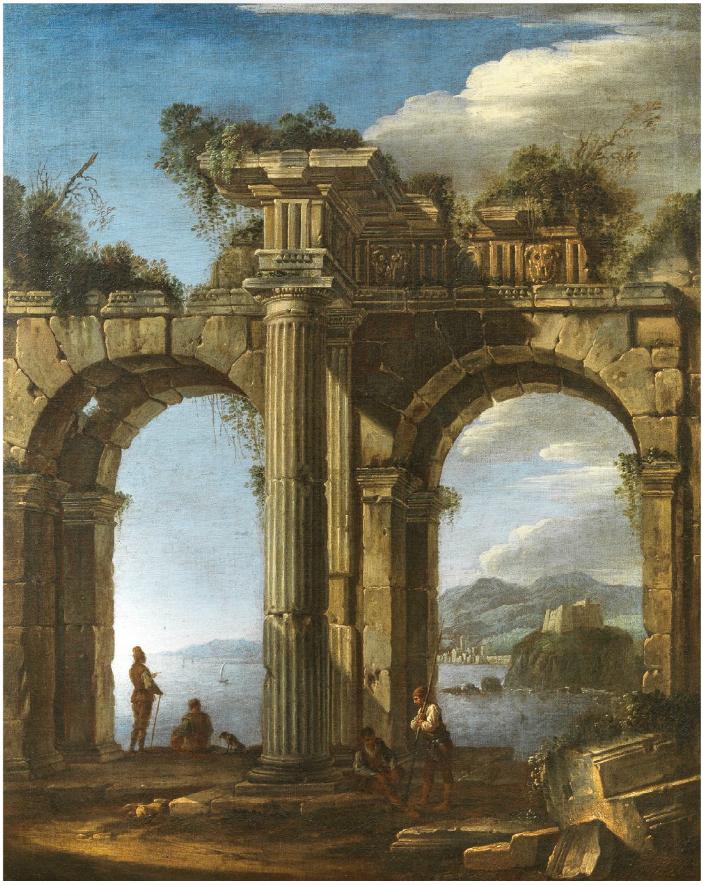
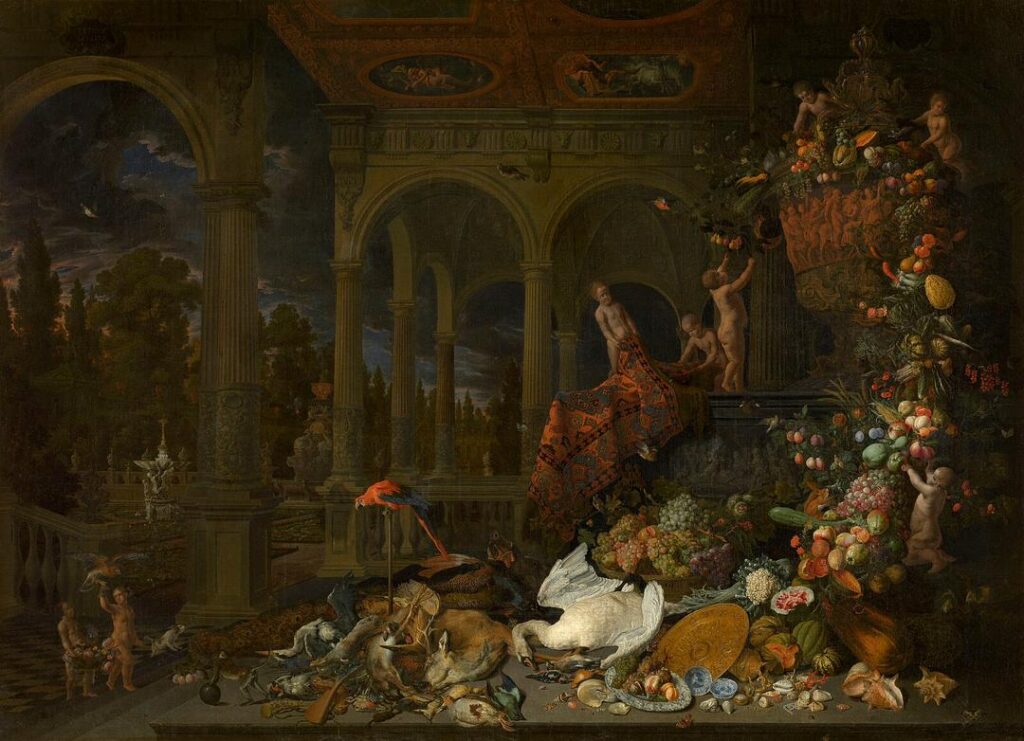
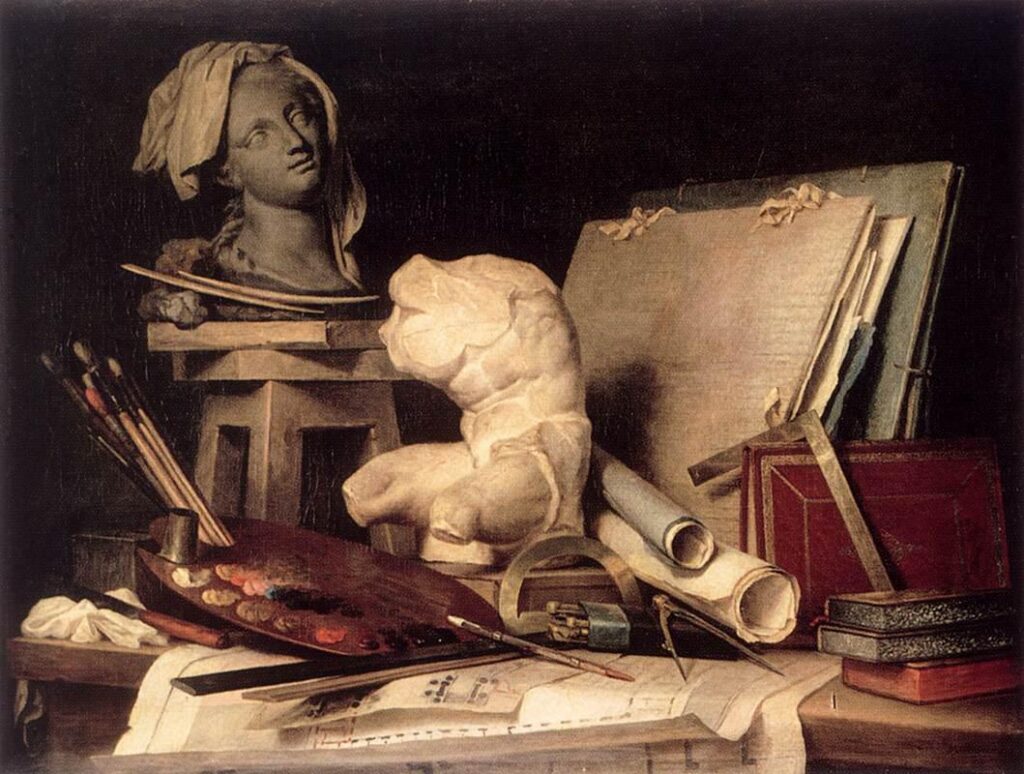
"Art history shows us that art is not separate from life; every corner of the world, every object, and every moment can carry beauty and creativity."

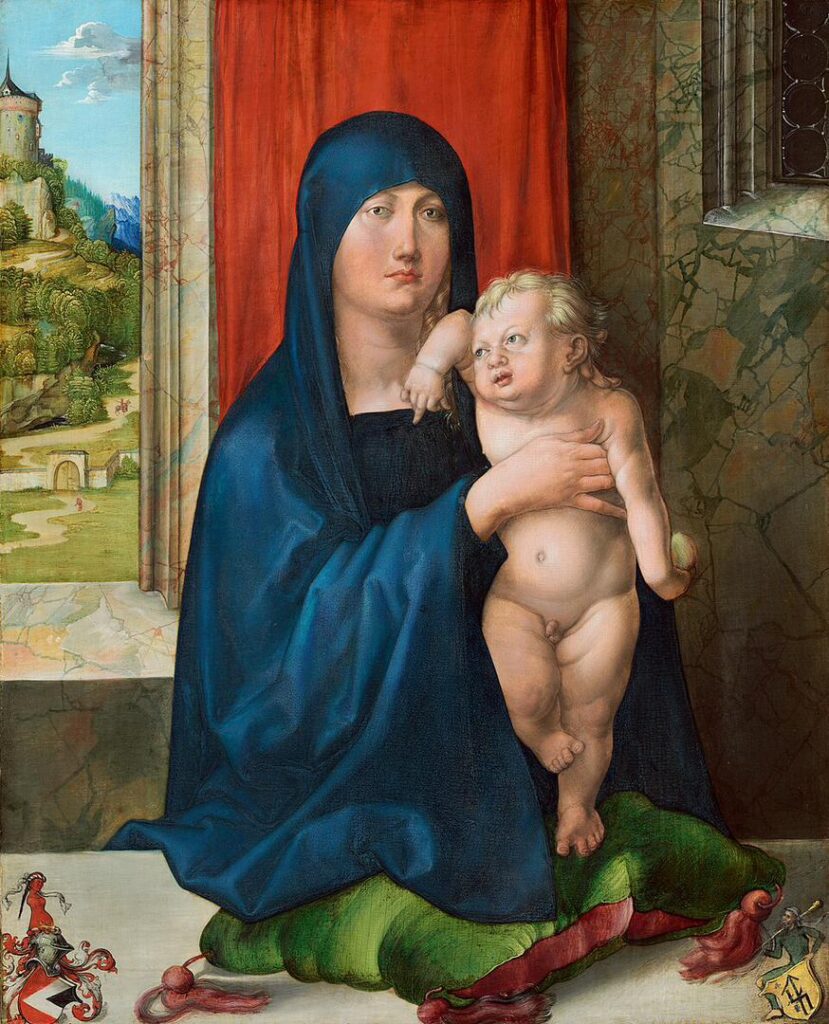
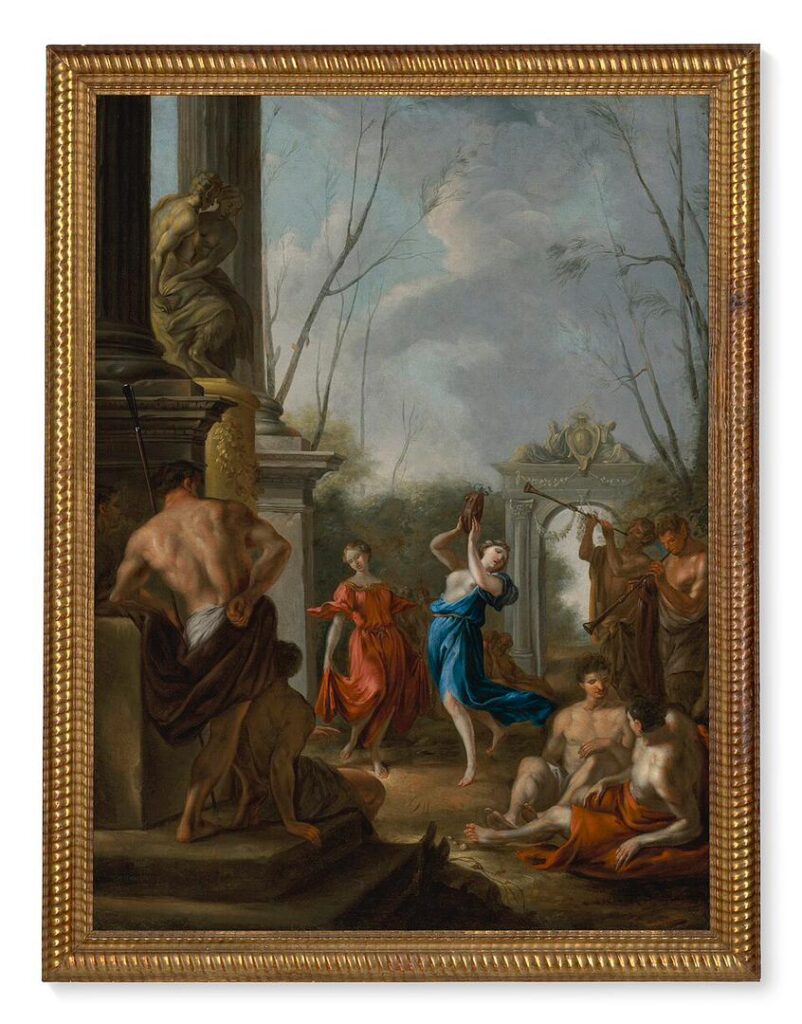
 Poetics of Clay & Fiction/ بوطیقا خشت و خیال